
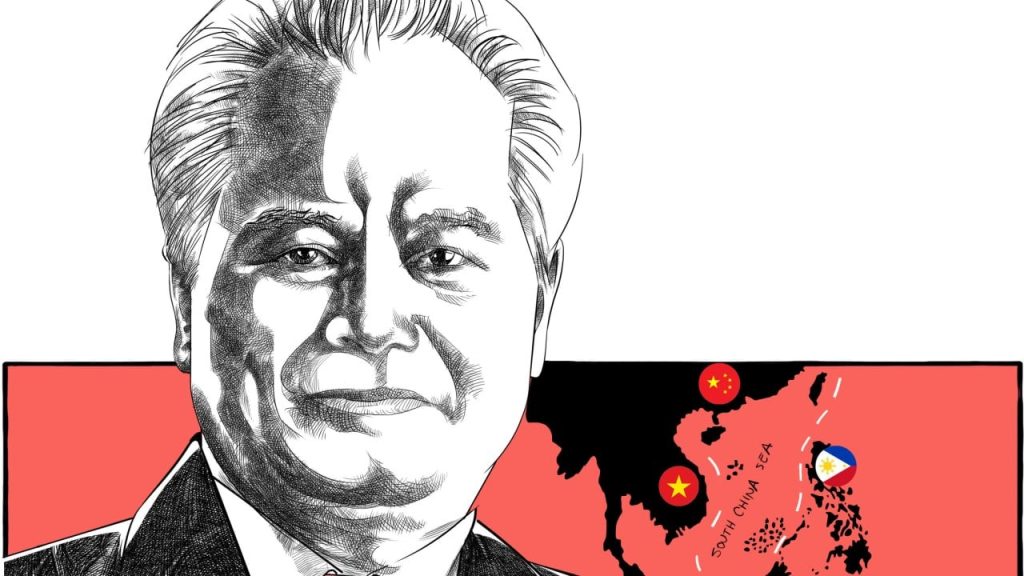
Wu Shicun is the founding president of China’s National Institute for South China Sea Studies and chairman of the Huayang Centre for Maritime Cooperation and Ocean Governance. In this interview, the first in a series about the South China Sea dispute, he discusses ways Beijing can respond to rival claimants.
With Manila intensifying its “transparency” campaign, how does China view the current situation and what challenges does it face?
Manila’s so-called “assertive transparency” initiative operates on its own distinct logic and playbook. [The initiative includes documenting and publicising what Manila calls Chinese grey-zone tactics, such as blockades and the use of water cannons.]
Since 2023, the Philippines has deliberately intruded into the waters around Renai Jiao [the Chinese name for the disputed Second Thomas Shoal], deliberately provoking China into intercepting its vessels or deploying water cannons.
On-board media outlets then package these confrontation scenes into short, viral videos and disseminate them globally. These clips manufacture an international perception that “China is the bully in the South China Sea and the Philippines is the victim”. This is the core mechanism behind their public relations strategy.
Behind this are Philippine domestic political considerations, aimed at securing more budget and equipment support from the Philippine Congress for its coastguard.
