
Indian Prime Minister Narendra Modi is facing mounting domestic backlash over a potential trade deal with the United States that would place India at the centre of US President Donald Trump’s efforts to redirect agricultural exports displaced by the US-China trade conflict, raising fresh questions about New Delhi’s broader strategic alignment with Washington against Beijing.
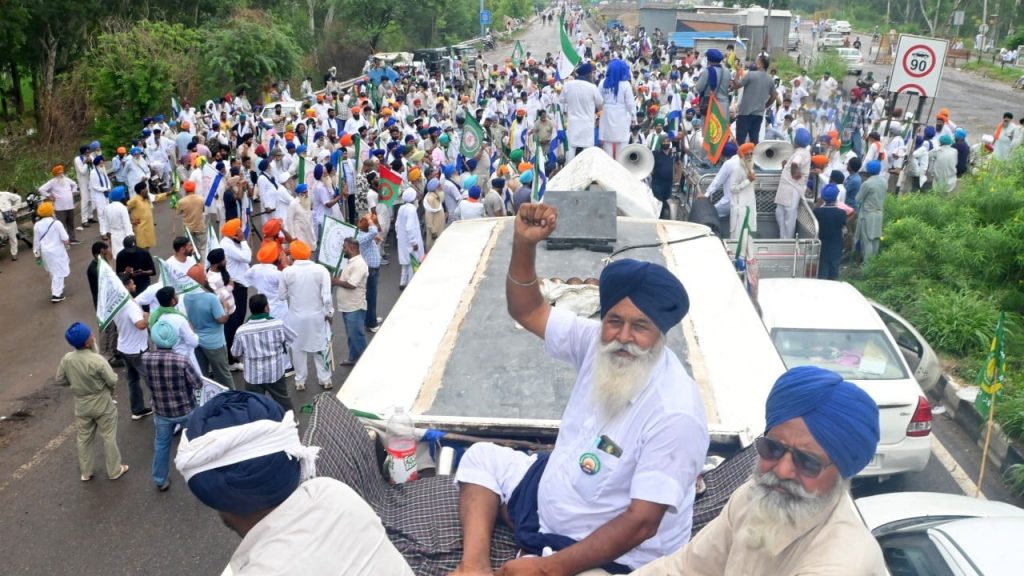
Thousands of farmers from the northern state of Punjab marched towards Delhi on Tuesday to oppose what they described as a “secret” trade deal with Washington.
They accused the government of negotiating concessions that could open India’s markets to cheaper American imports, including soybean oil, feed grains and dairy products, threatening the livelihoods of millions of farmers. Authorities blocked major highways to prevent demonstrators from reaching the capital.
The protests highlight the domestic political risks for Modi as his government deepens ties with Washington while facing pressure from Trump over trade, Russian oil purchases and efforts to reduce US dependence on China.
Washington has been seeking alternative buyers for American agricultural exports after China sharply reduced purchases of US soybeans in response to Trump’s tariffs. India has emerged as a key target for greater market access, but the backlash underscores the challenges facing Delhi as it attempts to balance its economic interests with both the US and China.
According to Sadanand Dhume, a senior fellow for India, Pakistan and South Asia at the Council on Foreign Relations, Modi is facing a “perfect storm of geopolitical turmoil and domestic political unrest”.
