
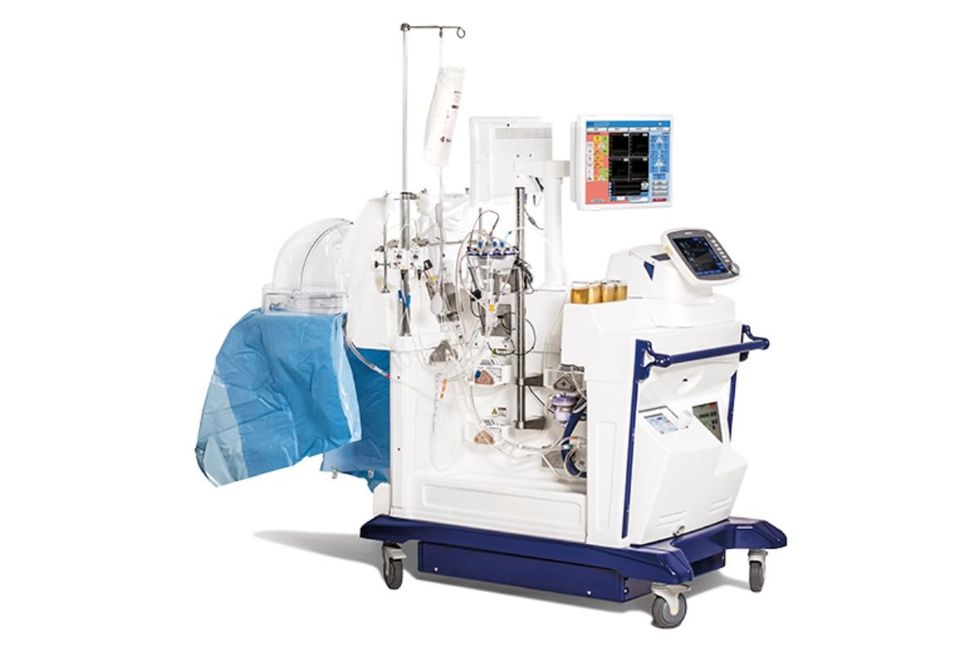
A groundbreaking device capable of sustaining donated lungs outside the body for up to six hours has been given the green light for NHS use.
The XVIVO Perfusion System, which replicates natural bodily processes including respiration and blood circulation, received approval from the National Institute for Health and Care Excellence in draft guidance as further evidence on its efficacy is gathered.
The technology addresses a stark problem in British transplant medicine: roughly 80 per cent of donated lungs are currently discarded because clinicians have no reliable means of verifying their suitability.
By placing organs in the machine, surgical teams can observe how lungs would perform inside a recipient’s body, potentially transforming outcomes for the 170 patients — six of them children — on the UK waiting list.
The machine allows surgical teams to observe how lungs would perform inside a recipient’s body
|
XVIVO
The system operates by raising donated organs to normal body temperature before ventilating them to replicate the rhythm of breathing.
Simultaneously, it circulates a specially formulated fluid known as STEEN solution — a blend of proteins, polymers and electrolytes designed to imitate blood plasma.
Clinicians can also introduce antibiotics or anti-inflammatory agents into the solution as required, enabling them to tackle infections or reduce swelling before transplantation.
Crucially, the machine gives surgeons the ability to flush excess fluid from the organs and reinflate any that have collapsed – interventions that were previously impossible under the old approach.
Until now, standard practice involved assessing lung viability while organs remained inside the deceased donor, followed by cold storage for a maximum of eight hours. Lungs are generally donated following brain or cardiac death.
Dr Anastasia Chalkidou, Nice’s HealthTech programme director, described the significance of the development, saying: “Every donated lung is a precious gift, and right now too many of them never reach a patient who needs them.”
She added: “This technology has the potential to change that, giving transplant teams the time and information they need to make the most of organs that would otherwise go unused.”
Dr Chalkidou also stressed the recommendation backs the health service’s broader goal of ensuring equitable access nationwide, so a patient’s location no longer dictates their chances of receiving a transplant.
Research suggests between 60 and 75 per cent of so-called marginal lungs could become transplantable using the device.
Modelling based on a cohort of 2,200 transplant candidates indicated the machine could deliver 211 additional procedures, preventing an equivalent number of deaths.
Despite its promise, the technology comes at a considerable price. Analysts acknowledged the system is not cost-effective by conventional measures, with expenditure likely exceeding £125,000 for each quality-adjusted life year gained.
The machine is presently available at just three of England’s five specialist adult lung transplant centres, with effectiveness data to be collected over the coming four years.
A 2024 independent review commissioned by the government’s Implementation Steering Group for Organ Utilisation revealed Britain has among the lowest lung transplant rates of any comparable nation.
A great number of donated lungs never reach a patient who needs them
|
GETTY
That same assessment found donated organs were sometimes turned down not merely on quality grounds but owing to staffing shortages and limited operating theatre capacity.
Currently, only around 20 per cent of adult and 10 per cent of children’s donated lungs are transplanted.
Our Standards: The GB News Editorial Charter
