
Statins are the most prescribed drug in the UK, but meaningful reductions in LDL are achievable too – and sometimes within just weeks.
While lowering cholesterol without medication sounds like a long game, improvements come sooner than expected with the right approach.
According to Eve Pennie, physician and expert contributor at Drugwatch.com, a reduction of between five and 15 per cent in LDL is a realistic target within four weeks – particularly for those whose levels have been raised by diet rather than genetics.
“Within four weeks, modest reductions in LDL cholesterol are achievable through targeted lifestyle changes,” she told GB News. “Particularly among individuals with diet-related hyperlipidemia or newly identified elevated cholesterol.”
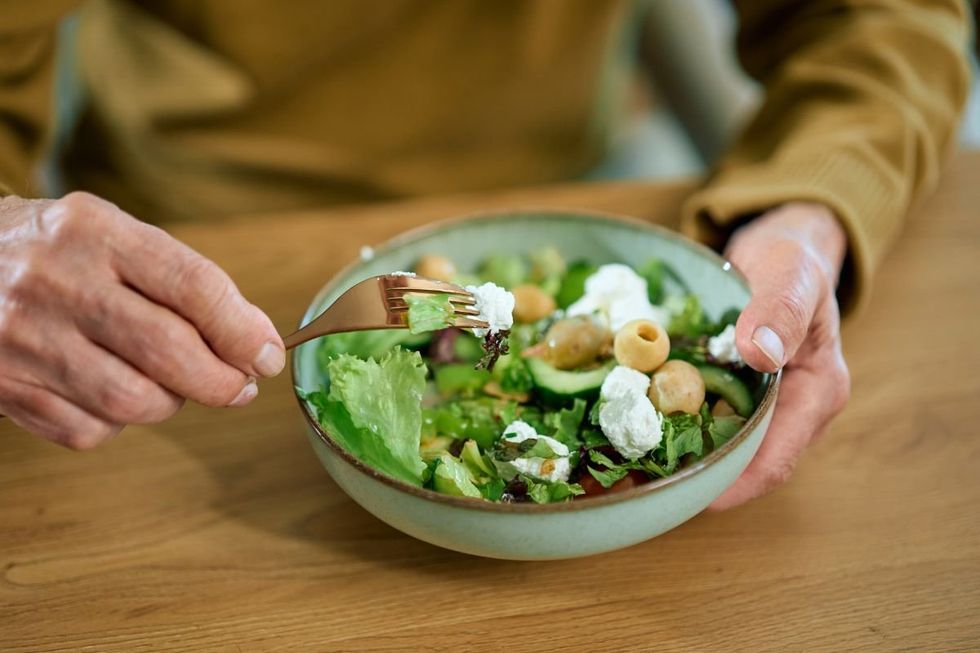
Soluble fibre is the cornerstone of a cholesterol-friendly diet
|
GETTY
Of all the levers available, diet carries the most robust evidence for producing quick results.
The priority, according to Dr Pennie, is first and foremost on limiting saturated fat in red meat, dairy, butter and processed foods, which directly drive up LDL levels.
Equally important is increasing soluble fibre intake, abundant in foods like oats, barley, beans, lentils and apples,
These foods essentially bind to bile acids in the gut and promote cholesterol excretion, producing “measurable reductions in LDL within weeks”, Dr Pennie noted.
Then there are plant sterols and stanols, found in fortified foods and spreads, which further reduce LDL by limiting how much cholesterol the intestine absorbs.
Sometimes dietary changes alone are not enough, Dr Pennie cautioned.
Regular aerobic exercise enhances lipid metabolism and modestly raises HDL cholesterol while lowering LDL and triglycerides.
Dr Pennie recommends at least 150 minutes of moderate-intensity activity per week, such as brisk walking or cycling, to see early results.
Targeted lifestyle changes can lead to modest LDL cholesterol reductions within weeks
|
GETTY
The caveat, Dr Pennie is careful to add, is that rapid progress will make little change without meaningful follow-through.
“Sustained adherence is essential for achieving lasting cholesterol control and reducing cardiovascular risk,” she said.
Our Standards:
The GB News Editorial Charter
